Electric Boats And Fire Safety
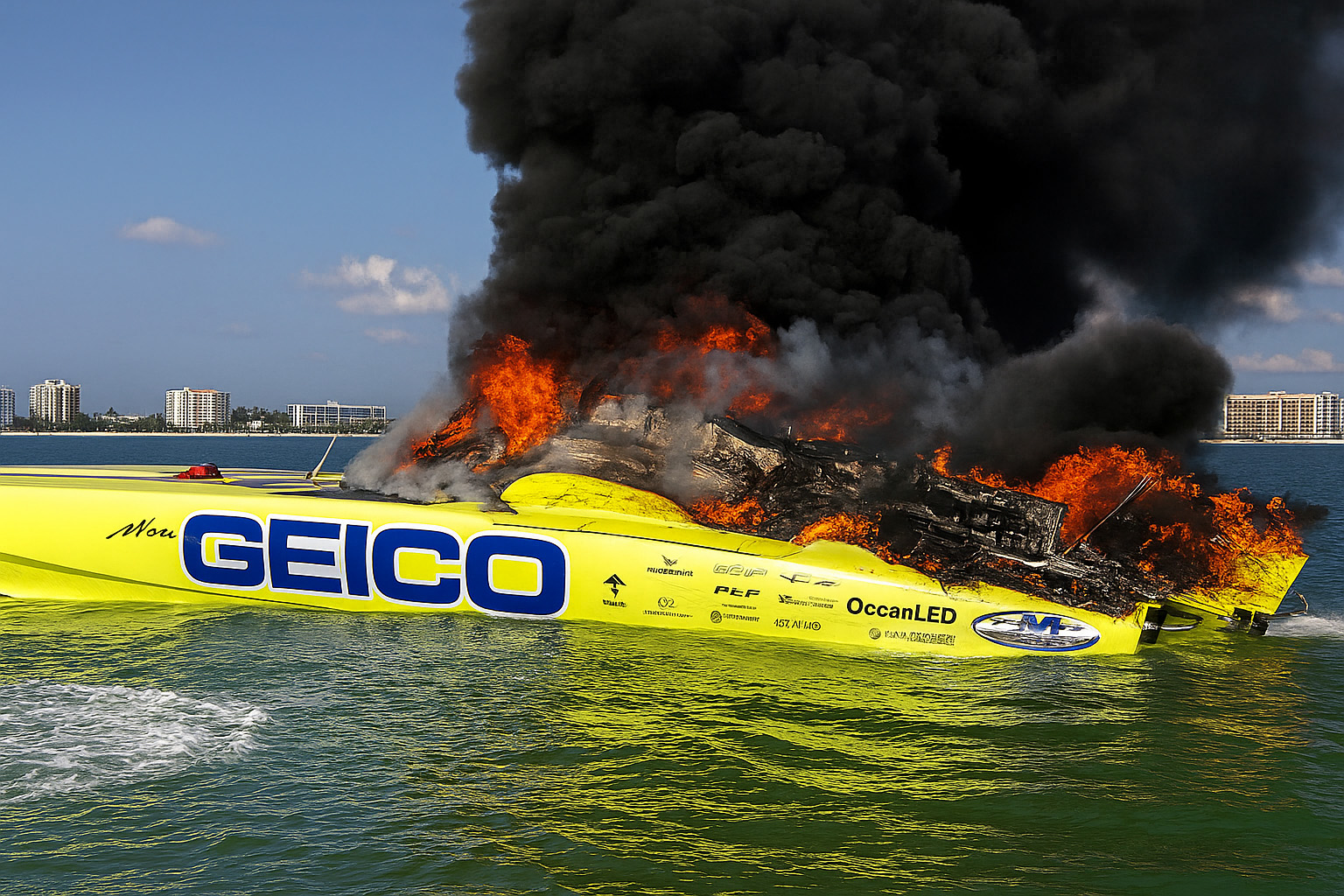
Concerns with electric propulsion systems include fire hazards posed by onboard energy storage systems.
Electric propulsion systems have revolutionized the boating industry, offering an eco-friendly alternative to traditional internal combustion engines. However, one of the most significant concerns associated with electric outboards and e-propulsion systems is the potential fire hazard linked to the presence of energy storage systems, particularly lithium-ion batteries. This concern is not unfounded, as water and electricity can be a hazardous combination, especially when it involves the high conductivity of saltwater.

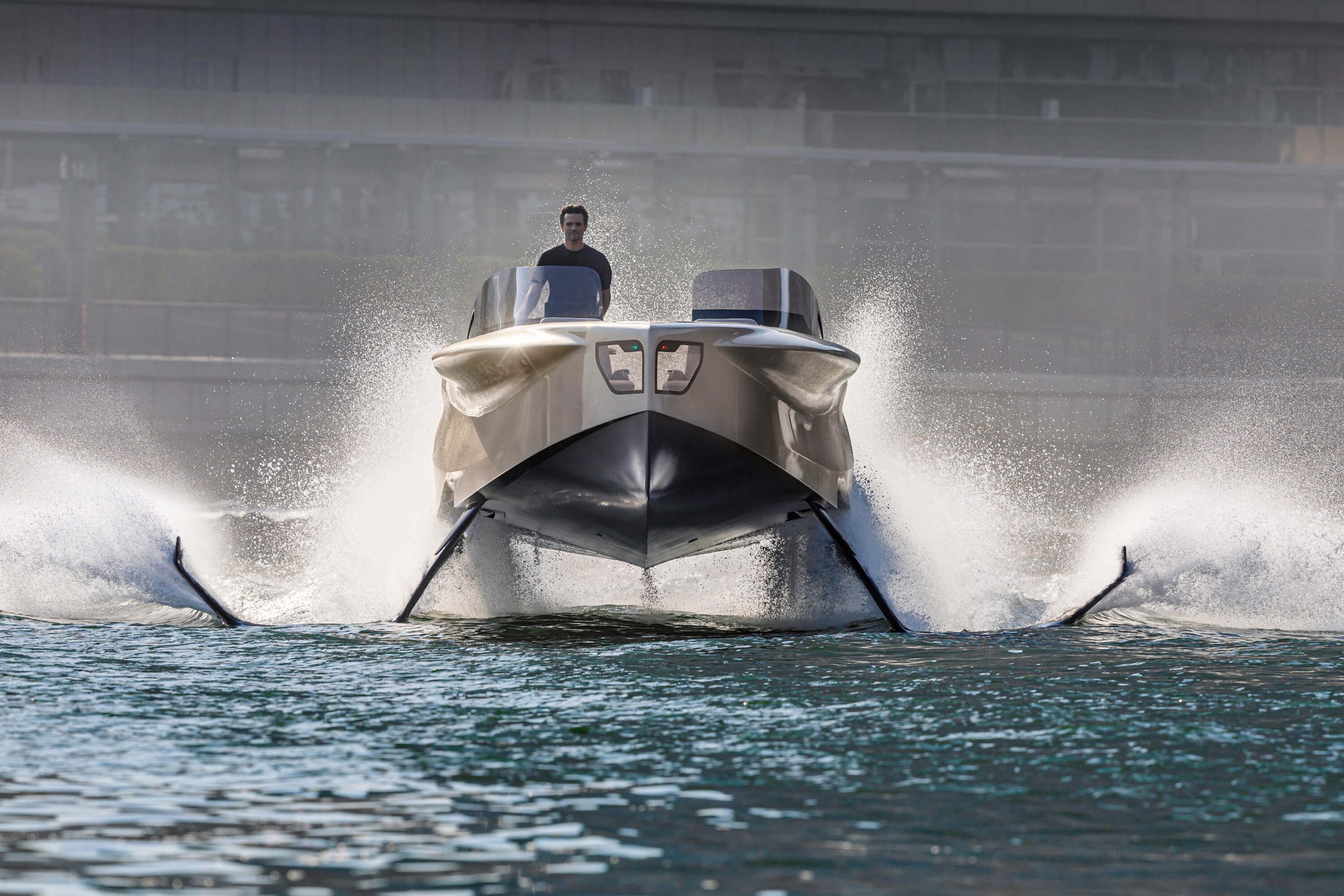
Above: Electric boats are becoming more and more prevalent in the marine industry, and offer great advantages as well as some drawbacks, including new fire safety concerns. Image by boats.com.
The Risk
The International Association of Fire Services (CTIF) and the U.S. Coast Guard have both highlighted the risks posed by lithium-ion batteries in electric vehicles, including boats. Exposure to or submersion in saltwater can severely damage these batteries, leading to chemical reactions that pose a high fire risk. Therefore, maintaining the optimal temperature of onboard batteries, preventing overloading, and ensuring they are protected from saltwater is crucial for safe operation.
Innovations in Fire Safety
Despite these risks, advancements in electric boat design have significantly improved fire safety. Modern electric propulsion systems incorporate various safety measures to protect batteries and energy storage systems from potential hazards.
Watertight Compartments
Preventing fires begins with robust design. Many electric boat builders now use watertight compartments to safeguard batteries from saltwater. For instance, the Torqeedo Power 24-3500 battery is housed in a waterproof enclosure that is IP67 rated, capable of withstanding water immersion up to three feet for 30 minutes. These compartments provide a multi-layered defense against saltwater ingress, ensuring that the sensitive battery components remain isolated from the marine environment.
Battery Cooling Systems and Smart Batteries
Electric boat manufacturers employ advanced battery cooling technologies, such as Battery Thermal Management Systems (BTMS), to further enhance safety. These systems use air or liquid cooling to regulate the temperature of battery cells, preventing overheating and reducing the risk of thermal runaway—a leading cause of battery fires. Liquid cooling is particularly effective, as it circulates coolant through the battery cells, transferring heat to a radiator or heat exchanger.
Smart batteries, with integrated cooling systems, actively dissipate excess heat, maintaining a controlled temperature range and significantly reducing fire risks. This not only enhances safety but also improves the reliability and longevity of the batteries.
Battery Management Systems (BMS)
Modern Battery Management Systems (BMS) incorporate sophisticated thermal regulation and charge monitoring features. These systems can shut down the battery before it reaches unsafe operating conditions. By maintaining optimal charge and temperature, a BMS prevents overloading, a common cause of fires in electric vehicles. As noted by Captain Adam Goldberg, a firefighter in Tucson, Arizona, many vehicle fires are related to overloaded batteries or poor installation, a risk that also applies to electric boats.
Motor Cooling
In addition to battery cooling, electric motors require efficient cooling to operate safely. Manufacturers like Elco equip their brushless PMAC electric motors with built-in water-cooled systems and various safety features, including over-voltage and speed protections. This ensures that the motors operate within safe temperature ranges, further reducing fire risks.
Recent Developments in 2024
New Fire-Resistant Materials
In 2024, electric boat manufacturers have started using new fire-resistant materials for battery casings and enclosures. These materials are designed to withstand higher temperatures and provide an additional layer of protection against thermal runaway and external fires.
Advanced Fire Suppression Systems
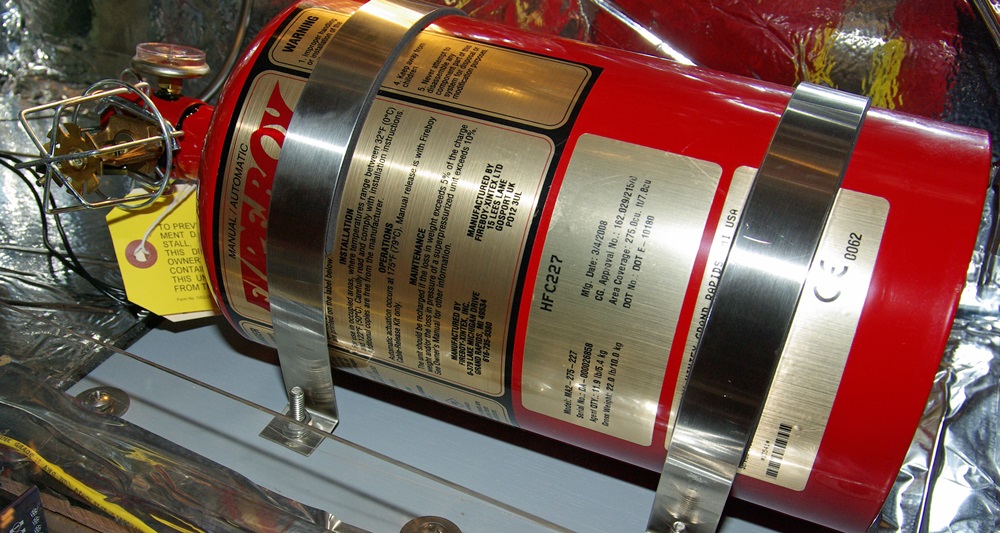
Modern electric boats are now equipped with advanced fire suppression systems specifically designed for lithium-ion battery fires. These systems use a combination of fire retardant chemicals and inert gases to quickly extinguish fires and prevent re-ignition. Some systems are automated, activating upon detecting abnormal temperature rises or smoke.
Enhanced Regulatory Standards
Regulatory bodies have introduced stricter safety standards for electric boats. These include mandatory testing for battery enclosures, cooling systems, and fire suppression systems. Compliance with these standards is now a prerequisite for certification, ensuring that all electric boats on the market adhere to the highest safety protocols.
Remote Monitoring and Diagnostics
With the advancement of IoT (Internet of Things) technology, many electric boats now feature remote monitoring and diagnostic systems. These systems allow boat owners and manufacturers to continuously monitor battery health, temperature, and performance in real-time. Early detection of potential issues can prompt preemptive maintenance and reduce the risk of fire.
Insights from the ICOMIA Report - November 2023
The recent ICOMIA report, "Pathways to Propulsion Decarbonisation for the Recreational Marine Industry" in November 2023, offers comprehensive insights into the future of sustainable boating. This report, conducted in collaboration with engineering consulting firm Ricardo plc, explores various propulsion technologies and their potential to reduce greenhouse gas (GHG) emissions.
Key Findings
- Diverse Propulsion Technologies: The report evaluates battery electric, hybrid electric, hydrogen, and sustainable marine fuels. It emphasizes that no single solution fits all types of recreational boats due to their varied usage and performance needs.
- Sustainable Marine Fuels: These are identified as the most promising short-term solution, capable of reducing carbon emissions by up to 90% by 2035 without compromising performance.
- Hydrogen Technology: Hydrogen, particularly if produced via renewable energy, holds potential for significant emissions reductions in certain boat categories.
- Electric Propulsion: While electric propulsion is crucial, its effectiveness varies based on boat usage and lifecycle. Electric systems may have higher initial GHG emissions due to battery production and require multiple battery replacements over a boat's lifetime.
- Hybrid Systems: Combining electric and internal combustion engines, hybrid systems offer a balanced approach for reducing emissions, especially in high-usage scenarios like rental fleets.
The Path Forward
The ICOMIA report outlines several next steps to accelerate decarbonization:
- Adoption of a technology-neutral approach to decarbonization.
- Development and promotion of sustainable marine fuels.
- Establishment of marine electric technology standards.
- Increased R&D investments for improving battery density and hydrogen technologies.
- Ongoing evaluation of emerging technologies to best suit the marine environment.
Conclusion
The advancements in electric boat design, including IP67-rated watertight compartments, sophisticated battery management systems, advanced cooling technologies, and real-time monitoring systems, represent a significant leap in fire safety. These innovations not only protect onboard batteries from the corrosive effects of saltwater but also ensure a higher level of safety and reliability for electric boat owners.
As the industry continues to innovate, the maritime community can look forward to a new era of safer, more efficient, and enjoyable electric boating experiences. With proper design and safety measures in place, electric boats can be as safe as their gasoline or diesel counterparts, paving the way for a more sustainable future on the water.
For more detailed information, you can access the full ICOMIA report here.